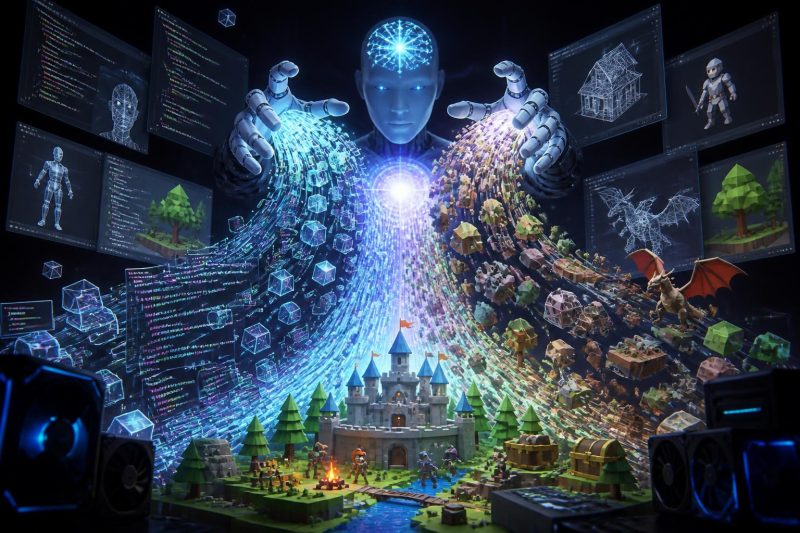
AI-developed Games in 2026: A Gaming Revolution in Progress
In 2026, the video game sector is undergoing a spectacular transformation thanks to artificial intelligence, redefining creation, gameplay, and user experience.
Introduction
In 2026, the video game industry is in full swing, marked by the emergence of games developed by artificial intelligence (AI). These technological innovations not only transform how games are created but also how players interact with them. This article explores the trends, advantages, and challenges associated with this gaming revolution.
Unleashed Creativity through AI
AI-developed games in 2026 offer unprecedented creativity. Advanced algorithms can generate open worlds, dynamic scenarios, and characters with realistic behaviors. For example, studios like OpenAI Gaming and DeepMind Games have developed content creation engines that allow designing unique game levels in real-time, adapting to players' preferences and skills.
Prototype rich September 2026.
- Demo "Dead race MadMax", Three.js, Ainthropos @ X.com
Video
VYou can find all my games in the Games HUB.
Personalized Experiences
One of the main advantages of AI games is the customization of gaming experiences. With data collected on players' behaviors, AI systems can adjust difficulty, offer specific quests, or even create tailored dialogues. Games like AI Adventure use this technology to provide scenarios that evolve based on the player's choices, making each playthrough truly unique.
Technologies behind AI Games
The design of AI games relies on several key technologies:
- Machine Learning: Machine learning algorithms allow games to learn players' preferences and adjust content accordingly.
- Procedural Generation: This technique creates environments and game levels randomly, ensuring a constantly new experience.
- Natural Language Processing (NLP): Games can use NLP to interact with players through realistic and contextual dialogues.
Challenges Ahead
Despite the undeniable advantages, developing AI games also poses several challenges:
- Ethics: The use of AI raises ethical questions, particularly regarding players' privacy and data usage.
- Content Quality: While AI can generate content, it may sometimes lack narrative coherence or emotional depth, which can impact the gaming experience.
- Skill Development: The rise of AI games could threaten jobs in the gaming industry, raising questions about the future of human developers.
Towards a Collaborative Future
Despite these challenges, the future of AI-developed games looks promising. Many experts agree that collaboration between AI and human developers could lead to even more immersive and engaging games. For example, studios like Creative AI Studios are working on integrating AI into the creation process while maintaining the human touch necessary to ensure enriching gaming experiences.
Conclusion
In 2026, AI-developed games represent a significant advancement in the digital entertainment field. As this technology continues to evolve, it is essential to find a balance between innovation and ethics to ensure that games remain a form of enriching and accessible art for all.